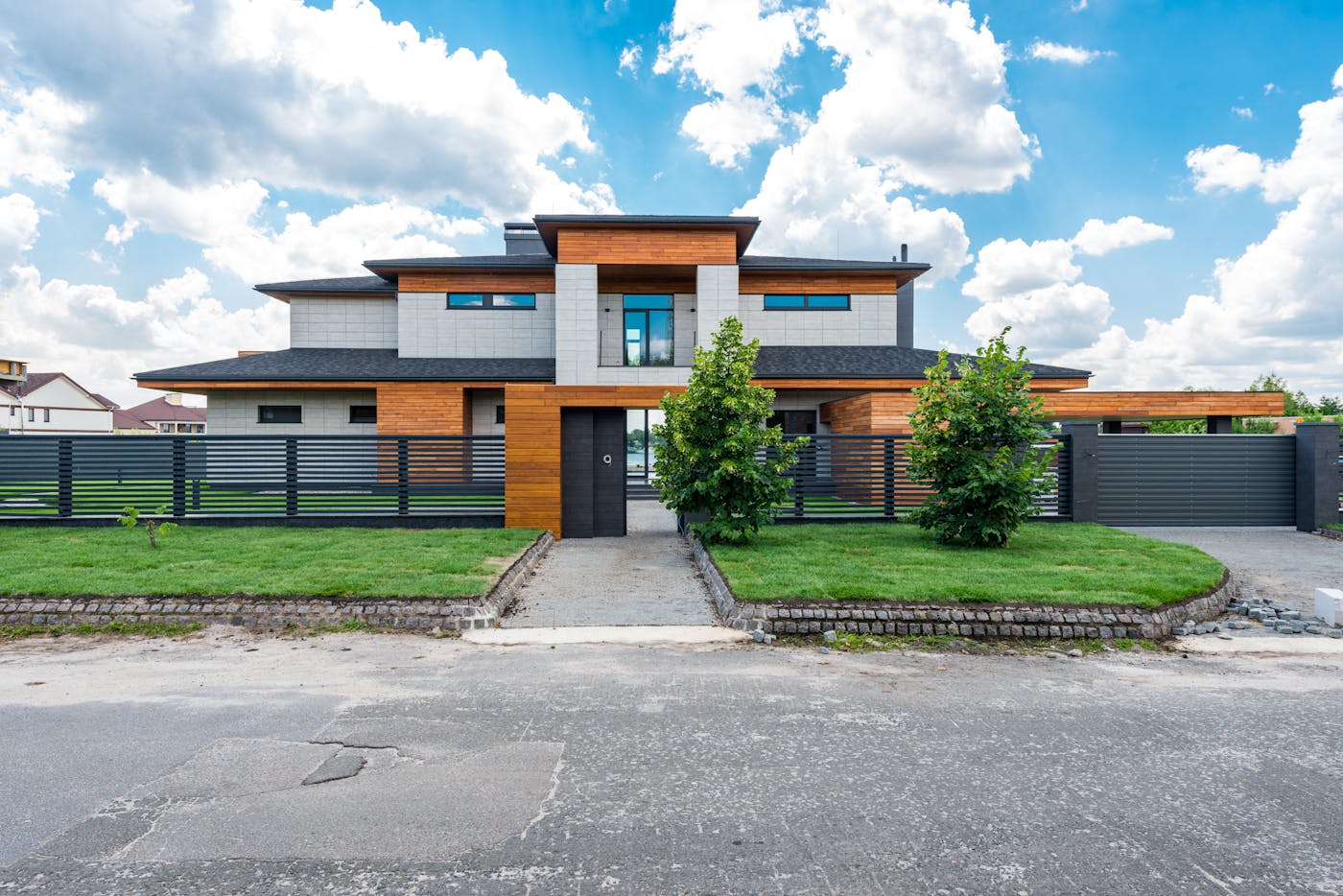
Quick answer: Building a house in Sydney in 2026 requires structured planning, finance approval, and council certification (DA or CDC). Construction costs for a standard project home start at $2,000–$3,500 per m², while well-specified custom builds cost $3,200–$5,500 per m². A typical custom home build ranges from $900,000 to over $2M, excluding land and landscaping. Approvals take 1–6 months depending on the council, followed by 9–18 months of active site construction.
They say Rome wasn’t built in a day, but they probably didn’t have to wait for a Northern Beaches Council DA approval. If you are planning to build a home in Sydney, the road is long, the paperwork is dense, and the costs are anything but theoretical.
[Right. Straight face now.] Navigating the residential building landscape in Sydney requires a clear understanding of the process. Everything from initial planning and budgeting to design coordination, council assessment, and the actual physical stages of construction must line up. Here is a practical overview of how to build a house in Sydney in 2026, what the stages cost, and when a custom approach is a poor fit for your budget.
- Setting a realistic budget and feasibility
- Engaging your design and engineering team
- Council approvals: DA vs CDC paths in NSW
- Choosing a builder for your project
- The six stages of site construction
- What building actually costs in Sydney in 2026
- When not to hire a custom builder
- Six questions to ask before signing a contract
- FAQ
Setting a Realistic Budget and Feasibility
Every home starts with numbers. The common error is looking at standard construction cost estimates and assuming that covers the full project. It does not.
Feasibility begins with checking your lot controls on the NSW Planning Portal. Zoning, bushfire overlays (BAL ratings), flood maps, and heritage conservation areas govern what you can build before you ever talk to a designer. These environmental factors carry immediate cost implications. Building in a BAL-29 zone requires specialised toughened glass and non-combustible materials that add $20,000–$50,000 to a standard design. A sloping block adds structural retaining walls and complex subfloor engineering.
A sensible budget structure allocates funds across distinct categories: land cost, professional design fees, council contributions, site preparation, construction, landscaping, and a contingency fund. For custom builds, a 10% to 15% contingency is the standard recommendation to absorb unexpected site conditions like sub-surface rock or soil instability.
Engaging Your Design and Engineering Team
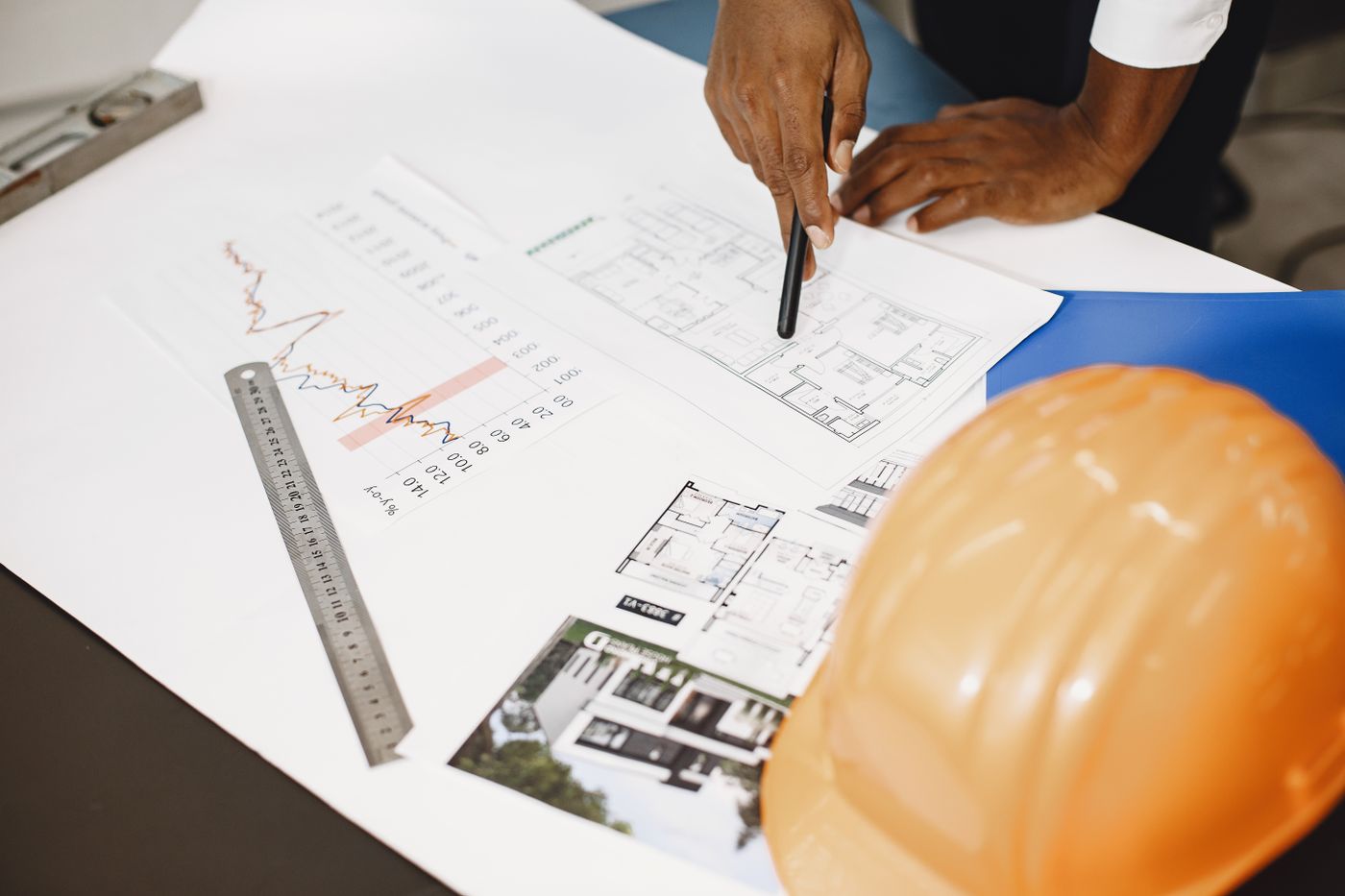
Photo via Pexels
Reading a project builder’s base-price inclusion list is like reading a budget airline ticket: the seat is technically included, but the belt and safety demonstration will be added at the checkout. To get a design that matches your lifestyle, you must choose between an architect, a building designer, or a builder’s in-house design service.
Architects offer highly customized layouts and structural solutions for complex blocks, typically charging 8% to 15% of the total build cost. Building designers provide similar drafting services with a focus on compliance and structural efficiency, often at a lower fee. If you choose a design-and-build firm, the design phase is integrated with the construction budget, which limits the risk of designing a home you cannot afford to build.
During this stage, your designer will coordinate several consultants:
- Land surveyor: to map boundaries and topography
- Geotechnical engineer: to perform soil tests and core drilling
- Structural engineer: to design the steel framing, footings, and concrete slabs
- BASIX consultant: to ensure the design meets NSW energy, thermal, and water efficiency targets
Council Approvals: DA vs CDC Paths in NSW
Obtaining approval to build in Sydney follows two distinct regulatory paths, depending on your land and design details.
Complying Development Certificate (CDC): If your design complies with all strict rules of the State Environmental Planning Policy (SEPP), a private certifier can approve the build without council involvement. A CDC can be issued in 20 to 30 business days. This path is ideal for flat, uncomplicated sites without heritage overlays or significant tree cover. It restricts variations, meaning the design must adhere to strict setbacks and height limits.
Development Application (DA): Required if your site has constraints (such as bushfire, flood, or heritage listings) or if your design requires variations from council development controls. You must lodge a DA with your local council. Timelines vary widely across Sydney LGAs. For example, City of Parramatta processes residential DAs in 2–4 months, while The Hills Shire or Northern Beaches councils can take 6–12 months. After DA approval, you must obtain a Construction Certificate (CC) before site work begins.
Choosing a Builder for Your Project
A builder who won’t provide references is, in a way, also providing a reference. Vetting builders is the most critical safeguard you have against delays, quality issues, and financial distress.
Ensure any builder you consider holds a valid licence for residential construction in NSW. You can check this instantly on the NSW Fair Trading register. Look for active licences, confirm the licence is in the operating company name, and check for any history of tribunal orders or compliance actions.
Compare at least three builders by reviewing their recent local projects. A reputable custom builder will arrange for you to speak with previous clients and view completed homes. If your project involves a duplex, ensure they have experience navigating Torrens and Strata title subdivisions as detailed in our guide to duplex builders in Sydney. For high-end designs, look for experience in architectural execution and custom detailing.
The Six Stages of Site Construction
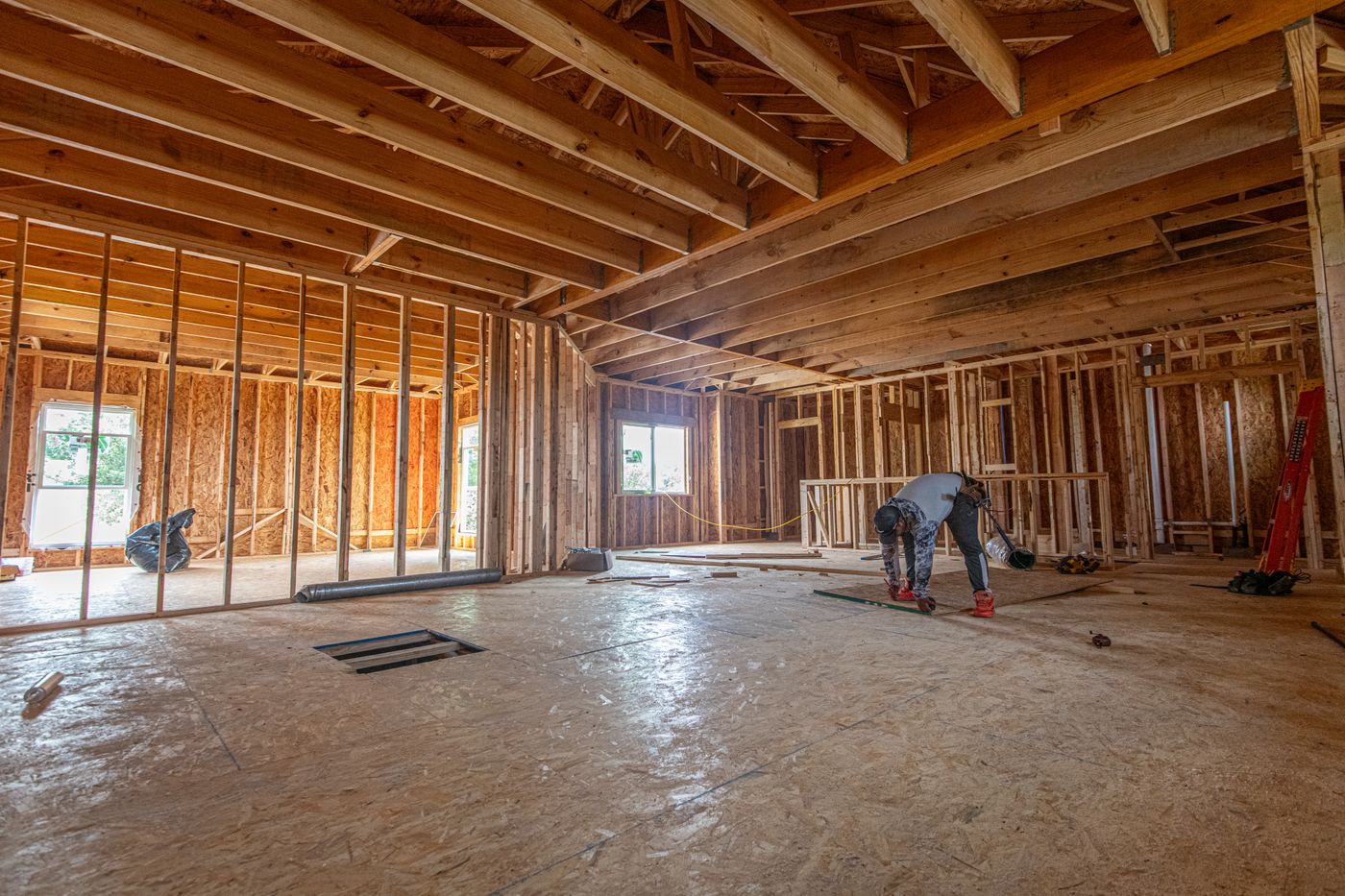
Photo via Pexels
Once approvals are secured and the contract is signed, construction moves through six standard milestones. Progress payments under standard HIA or Master Builders contracts are tied directly to these stages.
1. Site Preparation and Excavation
This phase involves clearing the block of any existing structures, trees, and vegetation. Geotechnical findings guide the excavation (which is the only part of a build that consistently finishes ahead of schedule). If the excavation team hits sub-surface sandstone or shale, costs can rise by $10,000–$30,000 for specialized rock-hammering equipment. Services like sewer, water, and electricity connections are roughed in at this point.
2. Base and Slab Stage
This is where the foundations of the house are laid. Workers build timber formwork, install steel reinforcement mesh, run under-slab drainage, and pour the concrete slab. For sloping sites, this stage may require brick or concrete retaining walls and suspended concrete slabs. The concrete requires several days to cure before structural loading can begin.
3. Frame Stage
The structural skeleton of the home is erected. Carpenters install timber or steel wall frames, structural steel columns, and roof trusses. Once the framing is complete, the builder will arrange a structural inspection to verify that the frame matches the engineer’s specifications before wall coverings are installed.
4. Lock-up (Enclosed) Stage
The objective is to make the building watertight and secure. Roof sheeting or tiles are laid, external wall cladding or brickwork is completed, and windows and external doors are fitted. Once locked up, internal materials are protected from weather, allowing internal trades to start work. Plumbing and electrical wiring are run through the open wall frames.
5. Fixing and Fit-out Stage
This stage focuses on the interior finishes. Plasterboard is hung on walls and ceilings, architraves and skirting boards are installed, and internal doors are hung. Cabinet makers install kitchen, laundry, and bathroom joinery. Tilers complete wet areas, and painters apply initial coats of paint. Electrical and plumbing fixtures (taps, toilets, power points, and light switches) are installed.
6. Practical Completion and Handover
Once construction is finished, the builder calls for a Practical Completion Inspection (PCI). You will walk through the home with the site supervisor to document any minor defects, scratches, or outstanding items on a punch list. After the builder rectifies these items, you make the final progress payment, the certifier issues the Occupation Certificate (OC), and the builder hands over the keys.
What Building Actually Costs in Sydney in 2026
Sydney is the most expensive city in Australia to build in, with costs driven by high labor demand and material pricing. This is not a complaint. It is arithmetic.
Construction cost estimates per square metre for typical home formats in 2026:
| Build Format | Cost per m² (Construction Only) |
|---|---|
| Standard project home (single-storey) | $2,000 – $2,800 |
| Standard project home (double-storey) | $2,500 – $3,500 |
| Custom designed home (mid-to-high spec) | $3,200 – $5,500 |
| High-spec architectural home | $5,500 – $7,000+ |
These figures cover **construction only**. They do not include land acquisition, design fees, demolition of an existing home ($20,000–$50,000), driveways, landscaping, and council contributions. For a typical custom home built in established areas like Sydney's North Shore or Eastern Suburbs, expect a total build cost of $1.2M to $2.5M, as outlined in our guide to custom building in Carlingford.
When Not to Hire a Custom Builder
This is the section most building guides skip.
Do not hire a custom builder if you are building on a flat, regular block with a standard budget under $700,000. In this range, a project home builder will deliver a standard four-bedroom home at a cost that custom operations cannot match. Custom building requires individual engineering, detailed trade procurement, and dedicated project management that drive up costs on straightforward designs.
Do not hire a custom builder if you require a fixed price on day one with zero tolerance for variations. The custom building process is collaborative and design-led. The plans often evolve during the early stages of site preparation, and unexpected ground conditions can alter structural requirements. If cost predictability is your primary concern, look for project home packages with locked-in inclusions.
Do not hire a custom builder if you are in a rush. If you need to move in within 12 months, choose a pre-designed home package or purchase an established property. The custom design, engineering, and DA approval phases alone can take 6 to 12 months before a single excavator arrives on site. Review our overview of modern home designs to see how design selections impact your overall project schedule.
Six Questions to Ask Before Signing a Contract
Ask these questions before signing a standard building agreement:
- Is the contract price truly fixed, or does it contain provisional sums? Provisional sums (estimates for items like earthworks or joinery) can escalate. Ensure these are minimized.
- What specific inclusions are covered in the base price? Standard quotes often exclude landscaping, driveways, air conditioning, and internal floor coverings. Get a complete itemized schedule.
- Who will be supervising my build day-to-day? Ask if you will have a dedicated site manager or if they oversee multiple projects across different suburbs.
- What is your current project capacity? A builder who has taken on too many projects will struggle with trade availability and supervision, leading to delays.
- Can I speak with three recent clients who built a similar style of home? Speaking with past clients gives you an honest perspective on the builder’s communication, quality, and variation management.
- How do you handle variations and delay damages? Ensure the contract defines the cost of changes and the compensation rates if the build runs past the practical completion date.
Six questions. Not unreasonable for a significant financial commitment.
FAQ
How much does it cost to build a house in Sydney?
In 2026, building costs in Sydney typically range from $2,000 to $3,500 per m² for standard project homes, $3,200 to $5,500 per m² for custom homes, and $5,500 to $7,000+ per m² for high-end luxury builds. These figures cover construction costs only, excluding land, landscaping, design fees, and council costs.
Is it cheaper to buy or build a house in Sydney?
Building can be more cost-effective if you already own land or perform a knockdown rebuild, as it saves on stamp duty (you only pay stamp duty on the land value, not the building). However, you must factor in the cost of renting elsewhere during construction, design fees, and the risk of building variations.
How long does it take to build a house in Sydney?
A typical home build in Sydney takes 9 to 14 months for a single-storey house and 12 to 18 months for a double-storey house. This timeline covers construction only; you must allow an additional 4 to 8 months for design, engineering, and obtaining council approvals (DA or CDC).
What are the stages of building a house in Australia?
The construction process involves six standard stages: Site Preparation (clearing and leveling), Base/Slab Stage (laying foundations), Frame Stage (walls and roof frame), Lock-up/Enclosed Stage (securing doors, windows, and roofing), Fixing/Fit-out Stage (internal plumbing, electrical, and cabinetry), and Completion/Handover (final inspection and key transfer).
Do I need a DA or a CDC to build a house in Sydney?
If your design meets all requirements of the NSW Housing SEPP, you can obtain a Complying Development Certificate (CDC) through a private certifier in about 20 days. If your block has constraints or the design requires variations, you must lodge a Development Application (DA) with your local council, which takes 2 to 12 months.
What is the defects liability period after building a house in NSW?
Under the NSW Home Building Act, there is a statutory warranty period of 6 years for major structural defects and 2 years for general defects. Most custom home contracts also include a builder maintenance period of 13 weeks to 12 months after practical completion to resolve minor issues.