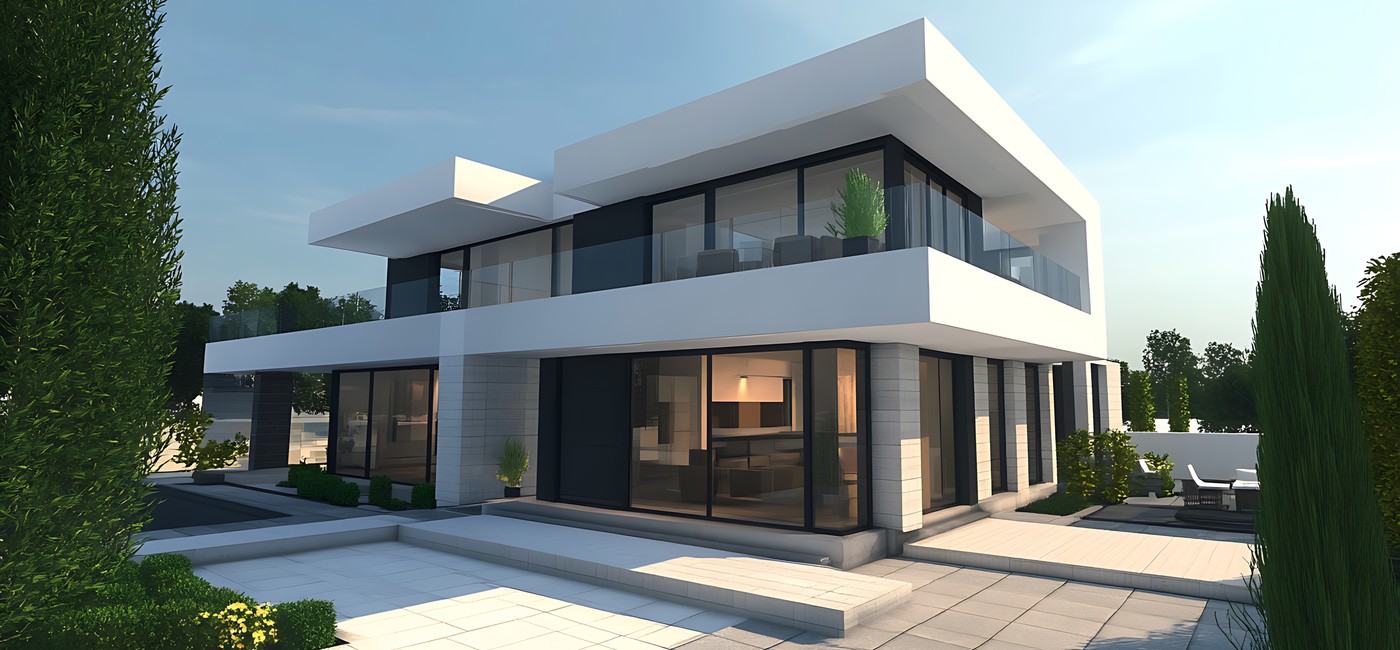
Quick answer: Modern home designs in Sydney in 2026 are characterised by open-plan living, strong indoor-outdoor connection, natural light, and sustainability features. Construction costs range from $2,800–$4,500+ per m² depending on specification. The leading styles are contemporary minimalism, modern farmhouse, and Hamptons-influenced design. Choosing the right design depends primarily on your block’s orientation, size, council zone, and how you actually use your home day to day.
“Modern” in the home design world has become a bit like “artisanal” at the supermarket — it means roughly whatever the person selling it wants it to mean. A builder catalogue calls every fourth facade “modern.” An architect uses the word to describe a specific mid-century movement. A real estate agent applies it to anything built after 1995.
[Right. Straight face now.] Here is what a modern home design actually involves, what one costs in Sydney in 2026, which styles lead the market, and — the part most guides skip — when the word describes the wrong choice for your block.
- What “modern” actually means in home design
- The core features of modern Australian home design
- Popular modern home design styles in Sydney
- Open-plan living and indoor-outdoor flow
- Sustainability and energy efficiency
- What modern home designs cost in Sydney
- Choosing a design that fits your Sydney block
- The design-to-DA process: what to expect
- When not to build a modern home design
- Six questions to ask before you brief a designer
- FAQ
What “Modern” Actually Means in Home Design
In architectural terms, “modern” refers to the modernist movement of the early-to-mid 20th century: clean geometry, flat or low-pitched roofs, minimal ornamentation, and materials used expressively rather than decoratively. Mies van der Rohe. Le Corbusier. Walter Gropius. That is “modern” in its strict sense.
In the Australian residential market, “modern” has expanded to cover a broader idea: a home designed with clean lines, open spaces, natural materials, and a strong response to site conditions and climate. It stands apart from period or heritage styles — Victorian, Federation, Californian Bungalow — and from the project-home vocabularies of the 1970s and 1980s.
The working definition for this guide: a modern home design prioritises spatial efficiency, natural light, material quality, and livability over period references or decorative detail. Where it sits within the broader “modern” taxonomy — contemporary minimalism, architectural, farmhouse — depends on style choices made later in the process.
The Core Features of Modern Australian Home Design
Modern Australian home designs share a consistent set of features. Not all appear in every build, but a design that omits most of them is probably marketing a different word.
Open-plan kitchen, dining, and living. The separation of kitchen from living areas is a design decision from an era of domestic service. Modern Australian homes remove this separation entirely, creating a single connected volume for how families actually spend time together.
Indoor-outdoor flow. Every well-designed modern home in Sydney treats the outdoor entertaining area as a functional room, not an afterthought. Sliding or stacking glass doors, level transitions between internal and external floors, covered alfresco areas — these are standard elements, not premium upgrades.
Natural light as a design driver. Modern home designs prioritise orientation, window placement, and skylights to reduce artificial lighting loads and improve thermal comfort. A home that faces the wrong way costs more to run and is less pleasant to live in. The orientation decision cannot be fixed after the slab is poured.
Material honesty. Exposed concrete, raw timber, brushed steel, stone — modern design tends to display materials as they are rather than concealing them under paint or cladding. This is both an aesthetic preference and a durability consideration.
Dedicated functional zones. A home office, butler’s pantry, mudroom, or study nook — modern briefs increasingly reflect how households actually operate rather than how they were assumed to. The home office that was once optional became standard after 2020 and has remained so.
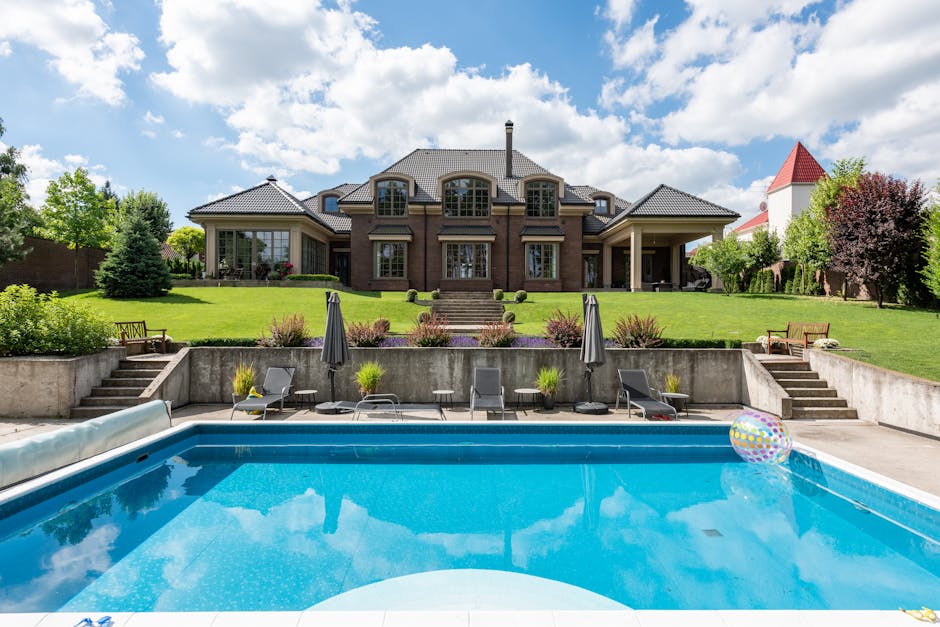
Photo via Pexels
Popular Modern Home Design Styles in Sydney
Within what broadly constitutes “modern,” several distinct styles lead the Sydney residential market in 2026.
Contemporary minimalism. The dominant choice for inner-city and inner-north builds. White or off-white facade, clean horizontal lines, large glazed openings, minimal joinery detail. Functions well on narrow urban lots. Requires higher-quality execution to avoid looking institutional rather than residential — the difference between those two outcomes is mostly in the details.
Modern farmhouse. Strong uptake in Sydney’s north-west and outer suburbs, particularly where blocks offer space for a covered porch and garden. Combines contemporary planning — open plan, indoor-outdoor — with warmer materials: board-and-batten cladding, timber sills, pitched roofline. The risk is that a value-engineered version looks like a regional motel.
Hamptons-influenced. Technically a reference to the coastal architecture of New York’s Long Island, but in Sydney it has become its own design language: weatherboard or rendered facade, white palette, French doors, herringbone or chevron floors, panelled joinery. Very popular in the Northern Beaches and North Shore. Rarely produced cheaply. The detailing that makes Hamptons work adds to both build time and cost — which is why it tends to appear in suburbs where that cost is tolerable.
Architectural contemporary. Designs that use the site itself as the primary driver — split levels, floating volumes, cantilevered elements, large thermal mass. Requires an architect rather than a building designer, and a builder with the technical capability to execute it. Costs start at $4,500 per m² and typically exceed it. See our project portfolio for examples of this approach across Sydney.
Sustainable modern. A growing category in 2026, driven by energy cost consciousness and genuine environmental values. Net zero or near-net zero homes, Passive House principles, heavy insulation, heat pumps, battery storage, and north-facing orientation. It is an engineering approach, not an aesthetic one — it can be styled as any of the above.
Open-Plan Living and Indoor-Outdoor Flow
The open-plan layout is so standard in new Australian homes that it barely needs explaining. What is worth understanding is what distinguishes a well-designed open plan from a poorly designed one. They look the same in the floor plan. They feel very different to live in.
A well-proportioned open-plan space defines zones through ceiling height variation, material changes, or furniture placement — not walls. The kitchen is anchored. The dining area is adjacent. The living area connects directly to the outdoor space via full-height glazing. Acoustic separation between zones is handled through layout depth and material choices, not partitions.
A poorly proportioned open plan is simply a very large room with too much natural light at one end and not enough at the other. The television is always in direct glare. Kitchen noise carries through children’s bedrooms. The outdoor area is technically accessible but faces south.
Indoor-outdoor flow is the other non-negotiable. In Sydney’s climate, the alfresco area extends functional living for 8–9 months of the year. It should be covered, large enough for the family you have rather than the one you imagined, correctly oriented relative to the sun and prevailing breeze, and connected to the kitchen — not the spare bedroom. Our guide to building a new home in Sydney covers how orientation decisions affect liveability in more detail.
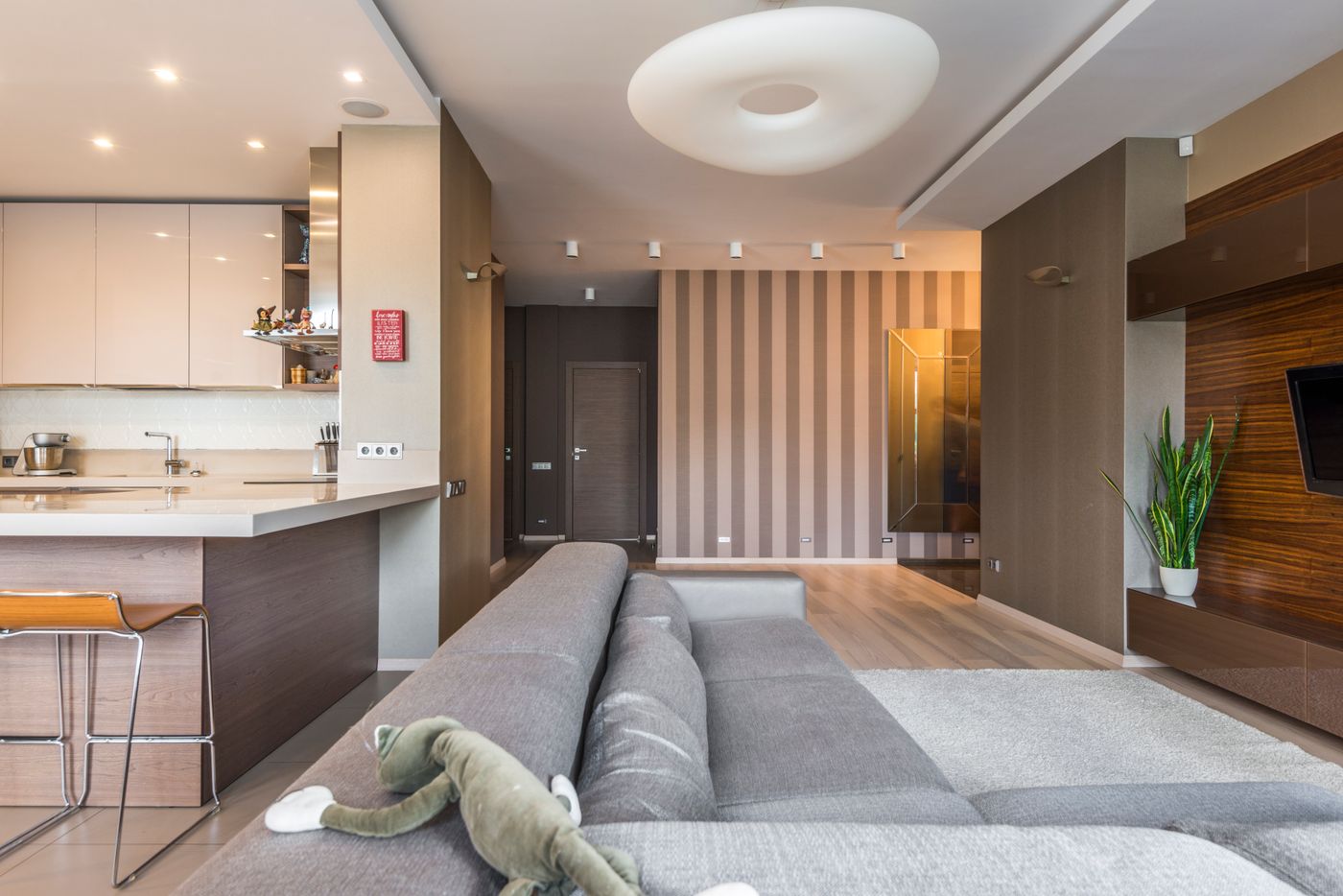
Photo via Pexels
Sustainability and Energy Efficiency in Modern Home Designs
The 2022 update to the National Construction Code raised the minimum energy performance requirement for new homes from 6 stars to 7 stars under the NatHERS framework. This is a floor, not a target. A well-designed modern home in Sydney should comfortably reach 8–9 stars.
What this means in practice:
- Passive design: correct solar orientation, controlled solar access through eaves depth and shading devices, thermal mass in appropriate locations, cross-ventilation pathways through the floor plan
- Building envelope: minimum R6.0 ceiling insulation (now standard in most climates), R2.0–R3.0 wall insulation, double-glazed or thermally broken aluminium windows
- Mechanical systems: heat pump hot water replacing electric resistance, ducted reverse cycle or split-system cooling, mechanical ventilation in well-sealed homes
- On-site generation: 6.6–10kW solar PV is standard for new builds; adding battery storage ($10,000–$18,000 for a 10kWh system) achieves near-grid independence across most seasons
Achieving this specification adds approximately $25,000–$50,000 to a build compared to the 6-star minimum. Over a 10-year operating period, the savings on energy bills typically exceed that cost. The NSW Planning Portal provides guidance on applicable energy provisions for new residential development under the Sustainable Buildings SEPP.
What Modern Home Designs Cost in Sydney in 2026
Construction costs for modern home designs in Sydney vary significantly by specification and the type of builder engaged.
| Specification Level | Cost per m² (construction only) |
|---|---|
| Volume or project design, standard finishes | $2,200 – $2,800 |
| Custom design, mid specification | $2,800 – $3,800 |
| Custom design, high specification | $3,800 – $5,200 |
| Architectural, full custom, luxury spec | $5,200 – $7,500+ |
A 280m² modern home at mid-to-high specification costs $1.06M–$1.46M in construction before land, design fees, council contributions, and landscaping.
What else needs budgeting:
- Building designer fees: $30,000–$60,000 for a standard brief
- Architect fees: $70,000–$150,000 for a full architectural commission
- Structural engineering, energy assessment, certifier: $15,000–$25,000
- Council contributions: $15,000–$60,000 depending on LGA and project value
- Demolition (knockdown rebuild): $20,000–$50,000
- Landscaping and external works: $40,000–$120,000
The total all-in cost for a well-specified modern home on a Sydney block in 2026 — excluding land — typically sits between $1.5M and $2.5M. This is not a complaint. It is arithmetic. Our Carlingford cost guide has a detailed breakdown of how these figures stack up on a typical Sydney knockdown-rebuild.
Choosing a Design That Fits Your Sydney Block
The single most common mistake in Sydney residential design is treating the home design as separate from the block it sits on. A design that performed well on a 500m² Killara lot does not automatically transfer to a 450m² lot in Mona Vale. Orientation changes. Solar access changes. Neighbour relationships change. The council zone may change.
Before briefing a designer, confirm:
- Block dimensions and orientation: a north-facing rear garden is an asset to protect. A south-facing rear restricts passive solar options and changes the design approach materially.
- Easements, services, and covenants: drainage easements, sewer alignments, and building covenants restrict what can be built and where. These are registered on the title — pull it before the first design meeting.
- Council zone and DCP controls: height limits, setback requirements, floor space ratio, and landscaped area minimums vary by LGA. The NSW Planning Portal shows current controls for any lot by address.
- Street character and heritage requirements: some DCPs impose built form controls tied to existing streetscape. A fully glazed contemporary design may not comply on a street subject to a Heritage Conservation Area or specific DCP character clause.
For North Shore blocks, our guide to custom home builders on the North Shore covers the specific council controls that affect design choices in that corridor. For Western Sydney lots, see our Western Suburbs guide.
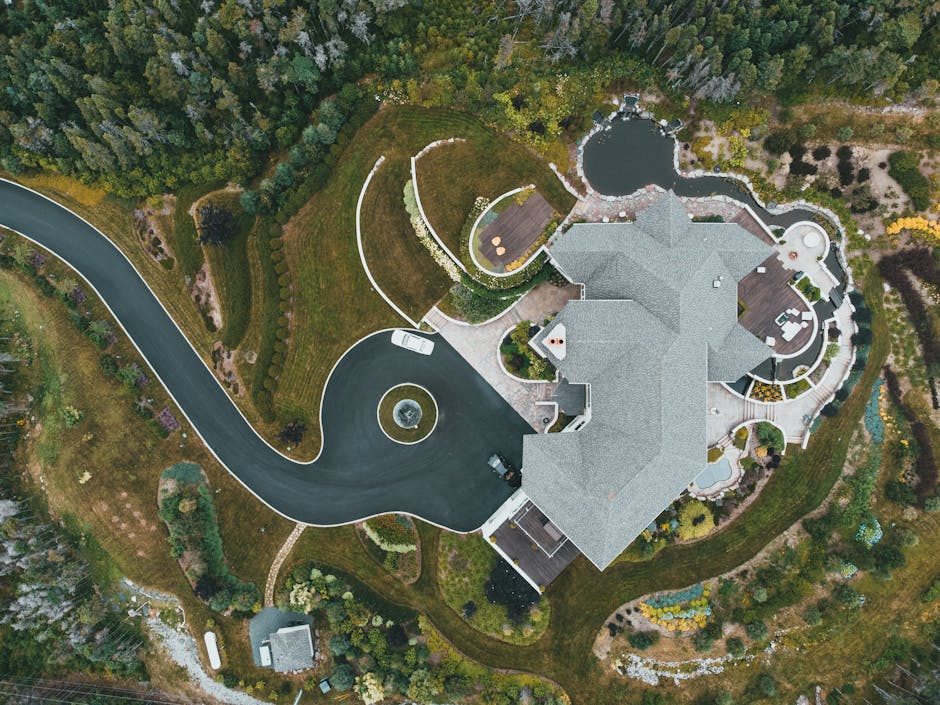
Photo via Pexels
The Design-to-DA Process: What to Expect
Modern home designs do not move from inspiration image to slab pour in a straight line. The process has defined stages, and understanding them prevents the most common client frustration: being surprised by the timeline.
Stage 1 — Site assessment and feasibility (4–8 weeks). Survey, geotechnical investigation, title search, planning check. Done before any design work begins. A builder or architect who starts sketching before the site assessment is complete is designing in a vacuum.
Stage 2 — Schematic design (6–12 weeks). The conceptual design is developed, tested against council controls, and refined against your brief. This is where most of the important decisions are made. Changes at this stage are inexpensive. Changes after DA lodgement are not.
Stage 3 — Development Application (DA) or Complying Development Certificate (CDC). A CDC assessed by a private certifier against the Housing SEPP can be issued in approximately 20 business days for designs that comply with all numerical standards. A DA through council takes 2–6 months depending on LGA and complexity. Confirm with your designer which path your site and design qualify for before the programme is set.
Stage 4 — Construction documentation (6–10 weeks). Detailed drawings, specifications, and engineer’s details prepared for tendering and construction. This stage determines your build quality as much as the construction itself does.
Stage 5 — Construction. A modern single-storey home takes 10–14 months to build. Double-storey, 12–18 months. These figures assume no material supply delays and a builder whose programme is not overloaded.
From first conversation to handover: 18–28 months for most Sydney builds. Plan for this. Our guide on how to choose a custom home builder covers what the process looks like from the client’s side at each stage.
When Not to Build a Modern Home Design
This section is the one most design guides replace with a paragraph about “living your best life.” We are not those guides.
Do not choose a contemporary or minimalist design if your brief does not match the lifestyle it was designed for. Open-plan living is well-suited to households that function as a social unit. It is poor acoustic design for a household with a shift worker, a teenager with a different sleep schedule, or anyone who needs genuine separation between work and living areas during the day.
Do not choose a modern design to impress a resale market you are not currently building for. Design for how you live, not for a notional buyer in five years. A home that functions well for your household holds its value without trying to. A home designed for the photography does not necessarily perform as well in either direction.
Do not choose a high-specification architectural design on a budget that cannot support it. A stripped-back version of a design that requires fine joinery tolerances and expressive concrete work looks worse than a simpler design executed well. Ask the architect what happens to the design if construction costs come in 20% higher than expected. That answer tells you something useful.
Do not choose any design without first checking the NSW Planning Portal for your specific lot. Design work completed before a planning check can become expensive scrap. Verify your builder holds a current NSW contractor licence on the NSW Fair Trading register before any contract is signed.
Six Questions to Ask Before You Brief a Designer
Do this before the first meeting, not after you have seen three sets of renders and started forming attachments.
- What is your process for site assessment before design begins? A designer who starts sketching before surveying the block is designing in a vacuum. The site determines what is possible — orientation, scale, massing, setbacks. None of those can be assumed.
- Have you designed or built comparable projects in our council area? DA requirements and DCP controls vary materially by LGA. A designer familiar with your council’s assessment criteria and preferences saves time and cost at the DA stage.
- What is included in your fee, and at what stage does it stop? Some architectural commissions include construction documentation. Others end at DA approval. Know exactly what you are commissioning before the appointment is signed.
- How do you handle changes after DA lodgement? Variations after lodgement require amended DAs or section 4.55 modifications — both take time and money. Understand the process and the cost before the design is locked in.
- Can you provide references from three recent clients whose projects went to construction? A reference from a client who completed the DA process is useful. A reference from a client who moved into the finished home is more useful. Ask specifically for the latter.
- What happens if the construction tender comes in over budget? Value management — adjusting specification to match the budget — is a standard part of the process. Ask for an example of how it was handled on a previous project. The answer tells you whether the designer treats budget as a real constraint or an optimistic footnote.
Six questions. Not unreasonable for a commitment that typically runs to seven figures.
FAQ
What are the most popular modern home design styles in Sydney?
Contemporary minimalism leads Sydney’s inner suburbs, where narrow lots and urban context suit a clean, glazed facade. Modern farmhouse design dominates newer outer-ring suburbs in Sydney’s north-west and south-west. Hamptons-influenced design is the preferred style across the Northern Beaches and Upper North Shore. Architectural contemporary builds — split levels, expressive materials, site-responsive forms — appear across all suburbs at higher price points.
How much does it cost to build a modern home in Sydney in 2026?
Construction costs range from $2,800 per m² for a custom mid-specification build to $7,500+ per m² for full architectural work with luxury finishes. A 280m² home at mid-to-high specification costs $1.06M–$1.46M in construction alone, before land, design fees, council contributions, and landscaping. All-in costs for a Sydney knockdown-rebuild in 2026 typically sit between $1.5M and $2.5M excluding land.
What features define a modern Australian home design?
Modern Australian homes are defined by open-plan kitchen, dining, and living spaces; strong indoor-outdoor connection via stacking or sliding glass doors; natural light as a primary design driver; energy efficiency features including correct orientation and high-performance insulation; and material honesty — timber, concrete, stone, and glass used expressively rather than concealed behind cladding or paint.
What is the difference between contemporary and modern home design?
In strict architectural terms, “modern” refers to the modernist movement of the early-to-mid 20th century. “Contemporary” means of the current moment — design practices that reflect present-day tastes and technology. In Australian residential usage the terms are used interchangeably. A builder or real estate agent who says “modern home design” typically means a contemporary home with clean lines and open planning rather than a period-reference style.
How do I choose the right modern home design for my block?
Start with the block, not the design. Confirm your lot’s council zone, applicable DCP controls, orientation, easements, and any heritage constraints before briefing a designer. A north-facing rear garden fundamentally changes the design approach. An easement restricts where the footprint can go. A Heritage Conservation Area overlay may limit facade treatment options. Engaging a designer who works the other way — design first, site constraints second — adds cost and risk to the process.
Are modern homes more energy efficient than older homes?
A modern home built to the current 7-star NatHERS minimum performs significantly better thermally than a pre-2000 home, which was typically built to the equivalent of 2–3 stars. A well-designed modern home targeting 8–9 stars with solar PV and battery storage can operate at near-zero net energy cost through most of the year. The difference in annual energy bills between a well-designed modern home and a 1980s brick veneer on the same site is typically $3,000–$6,000 per year.
Can I customise a modern home design in Sydney?
A custom builder designs your home from your brief and your specific block — not from a catalogue adjusted at the margins. This is distinct from a project home, where “customisation” typically means choosing between facade options and finishes packages. A genuinely custom design can respond to any block orientation, size, or planning constraint. The trade-off is cost and time: custom design takes longer and costs more than a project home. See our guide on how to choose a custom home builder for a full breakdown of the decision.