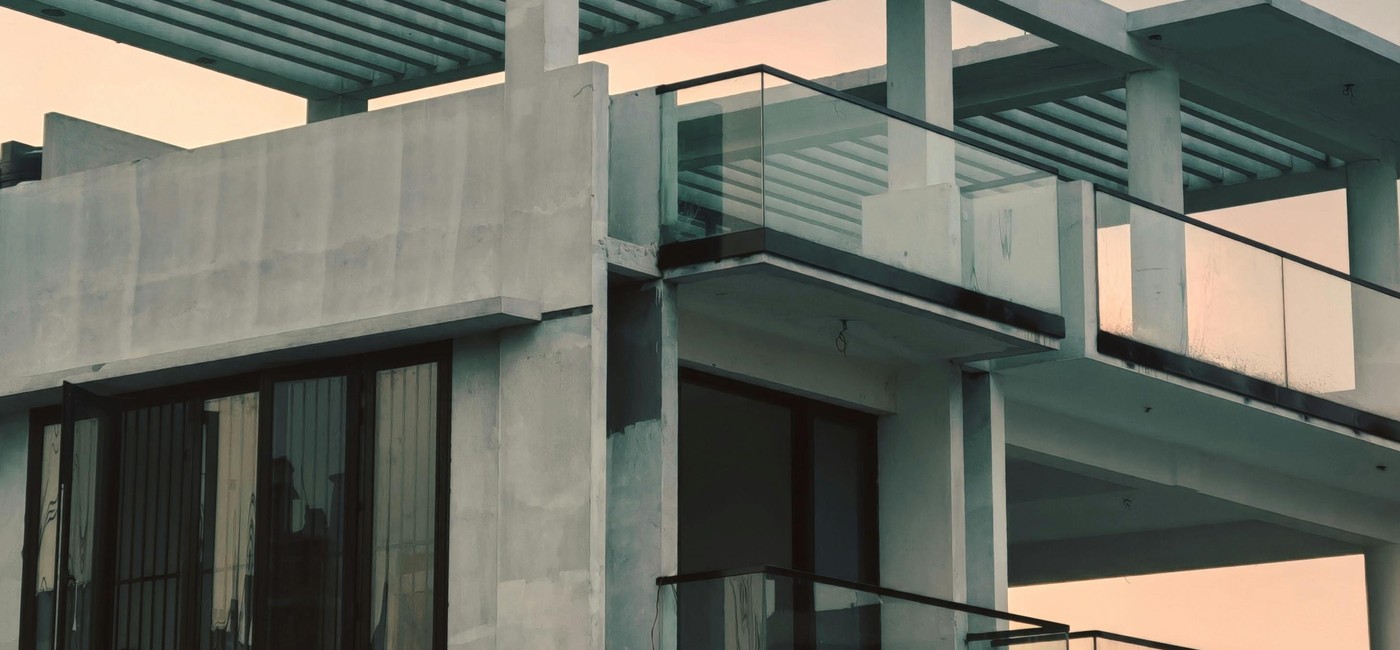
Quick answer: A double storey custom home in Sydney costs $3,200–$4,500 per m² mid-range in 2026, approximately 10–18% more per square metre than an equivalent single storey. The premium reflects the suspended floor system, staircase, extended services, and additional structural engineering. Most compliant double storey designs qualify for CDC approval in around 20 business days. The standard height limit in R2 zones across Greater Sydney is 8.5m, which comfortably accommodates a standard two-storey design. Building up makes financial sense on narrow lots, lots with high land value, and any brief requiring more floor space than a single storey footprint can deliver without sacrificing the backyard entirely.
Gravity, as it turns out, is optional. The decision to build up instead of out is one of the more consequential choices a Sydney homeowner makes — not because it is technically complex, but because the financial implications play out over decades. The wrong call adds cost without adding value. The right call delivers more floor space, better light, better views, and a result that holds its value in a market where land is the scarce resource.
[Right. Straight face now.] This guide covers what a double storey build actually costs in Sydney in 2026, how the NSW planning controls work, the structural differences that affect both design and budget, and the specific situations where a single storey is the better answer.
- Single vs double storey: the actual decision
- What a double storey costs in Sydney in 2026
- NSW planning controls for double storey
- CDC or DA: which approval path applies
- Structural considerations
- The staircase question
- Double storey on narrow Sydney lots
- The realistic timeline
- When single storey is the better answer
- FAQ
Single vs Double Storey: The Actual Decision
The question is rarely “single or double storey” in the abstract. In Sydney, it is almost always driven by one of three constraints: a narrow lot that limits ground-floor footprint, a planning control that caps the total floor area you can build, or a brief that requires more rooms than a single level can accommodate without consuming the entire outdoor space.
Consider a standard 600m² Sydney block in a zone with a 0.5:1 floor space ratio (FSR). Your maximum floor area — across all habitable spaces — is 300m². On a single storey, that 300m² sits entirely on the ground and leaves very little backyard on a 600m² block once you account for setbacks. On a double storey, 300m² splits across two levels — perhaps 160m² ground floor plus 140m² first floor — leaving a usable outdoor area and a more generous internal feel.
The arithmetic is the argument. Not the aesthetics, not the views, not the kerb appeal — though all of those follow. The fundamental case for double storey in established Sydney is land efficiency.
What a Double Storey Costs in Sydney in 2026
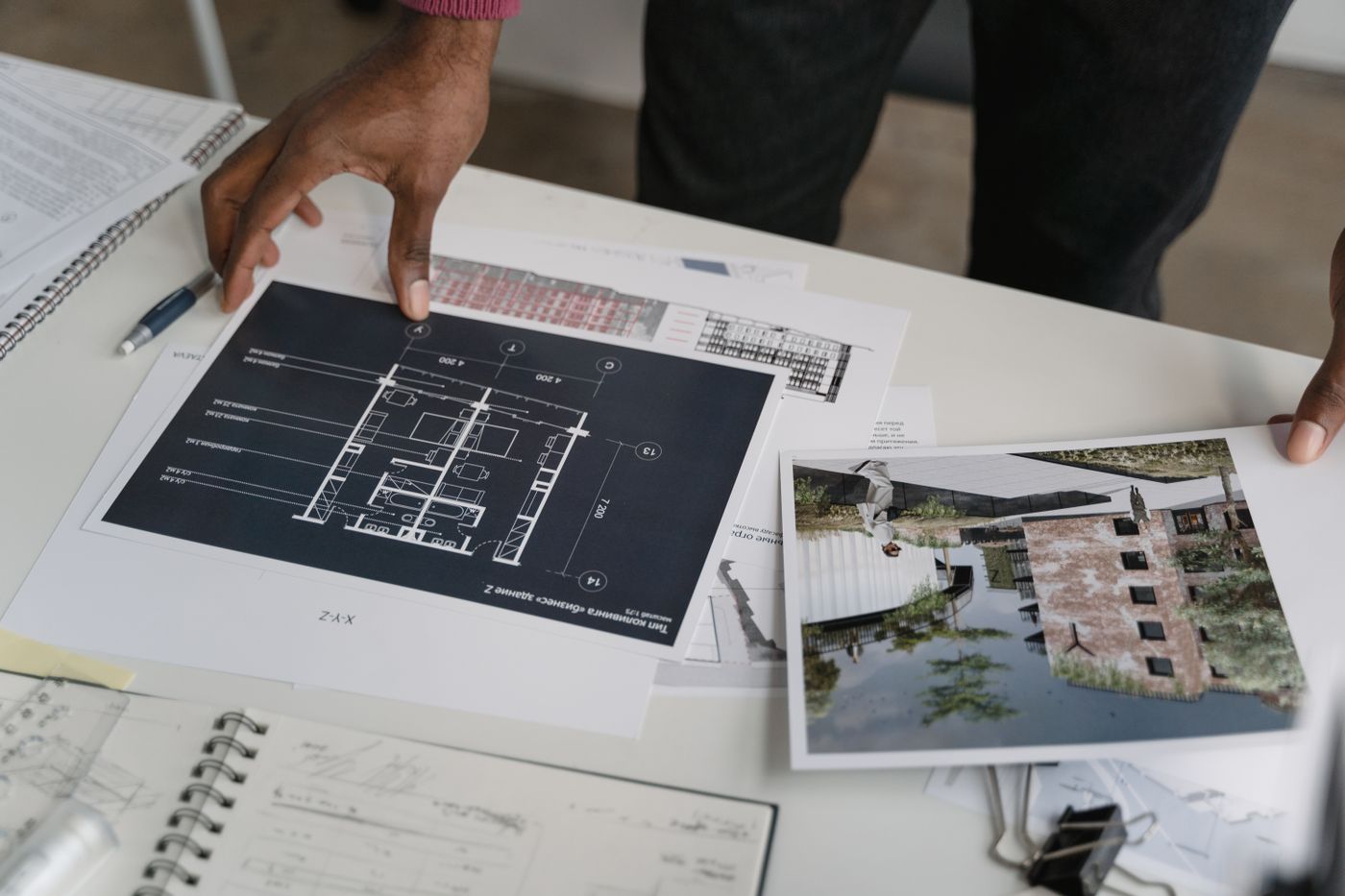
Photo via Pexels
Construction costs for a double storey custom home in Sydney run higher per square metre than single storey, reflecting the additional structural work, the upper floor system, and extended services. The premium is real but not dramatic — it is typically 10–18% per m².
| Specification | Single storey (per m²) | Double storey (per m²) |
|---|---|---|
| Entry / volume builder | $2,200 – $2,800 | $2,500 – $3,200 |
| Mid-range custom | $2,800 – $3,800 | $3,200 – $4,500 |
| Premium custom | $3,800 – $5,500 | $4,500 – $7,000+ |
A 280m² double storey (140m² per level) at mid-range specification runs $896,000–$1.26M in construction costs. A 350m² double storey at the same specification runs $1.12M–$1.58M. These are construction-only figures — before land, demolition, design, approvals, and landscaping.
The all-in cost of a double storey knockdown rebuild on an established Sydney block — including demolition, design, council approvals, construction, landscaping, and all consultant fees — typically lands between $1.6M and $3.5M depending on suburb, site, and specification. The upper end of that range reflects premium inner-ring suburbs with higher land values, more complex approval paths, and higher-specification finishes. For a full breakdown of what each cost component includes, see our guide to building a new home in Sydney.
What drives the double storey premium
Suspended floor system. The upper floor requires either a suspended concrete slab (more rigid, better acoustic separation, higher cost) or an engineered timber floor system (lighter, faster, lower cost but requires acoustic overlay for comfort). The structural cost for either system adds $25,000–$65,000 over a slab-on-ground equivalent.
Staircase. A straight stair in a standard domestic setting costs $15,000–$25,000 installed. A feature floating staircase with structural steel stringer and glass balustrade reaches $35,000–$65,000. The staircase is the single most variable cost line in a double storey build — and the one most reliably underestimated.
Extended services. Plumbing, electrical, and mechanical services running to the upper level require longer pipe runs, additional penetrations through the floor structure, and extra labour. Typically adds $12,000–$25,000 over a single storey of equivalent size.
Scaffolding and access. Double storey construction requires higher scaffolding systems and longer erection periods. Add $8,000–$18,000 compared with single storey scaffolding on the same footprint.
NSW Planning Controls for Double Storey
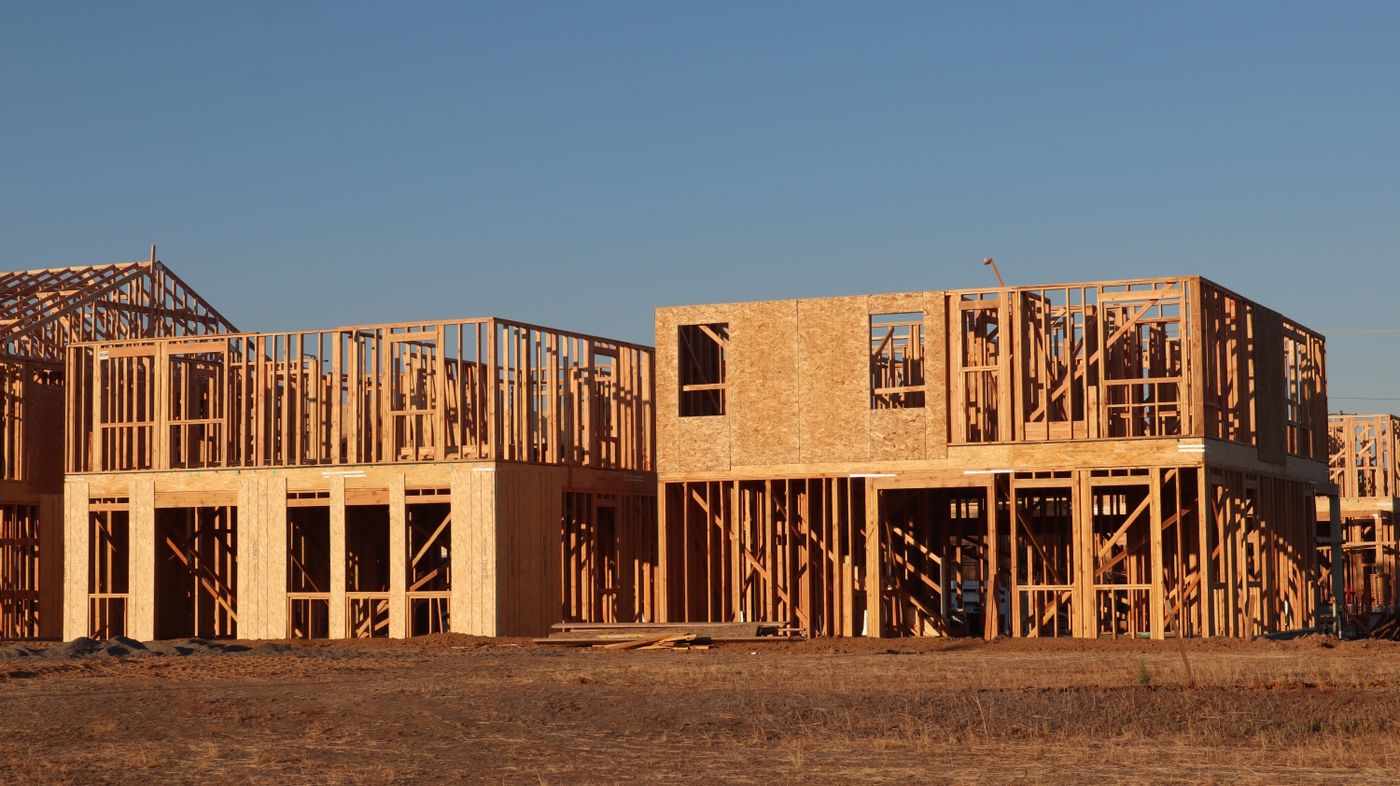
Photo via Pexels
Three planning controls govern whether and how you can build double storey on a Sydney residential lot. All three apply simultaneously — compliance with one does not override the others.
Building height
The standard maximum building height in R2 Low Density Residential zones across most of Greater Sydney is 8.5 metres measured to the highest point of the roof structure. This comfortably accommodates a standard double storey with 2.7m floor-to-ceiling heights, a 300mm floor structure, and a conventional roof form. Specific councils apply different limits:
| Council / area | Standard height limit | Note |
|---|---|---|
| Most Western Sydney LGAs | 8.5m | Standard — double storey comfortable |
| Ku-ring-gai (parts) | 8.5m (some areas 7.5m) | Check your specific lot |
| Woollahra | 9m (some areas 8.5m) | Heritage area controls vary |
| Northern Beaches (parts) | 8.5m or 7.5m | Varies by precinct |
| Inner West, Canterbury | 8.5m | Standard |
| Sutherland Shire | 8.5m | Standard |
Check your specific lot’s height limit via the NSW Planning Portal before committing to a design brief. The height limit is a fixed constraint — no builder can design around it without a formal variation.
Floor Space Ratio (FSR)
Floor space ratio caps the total gross floor area across all levels as a proportion of the lot area. The standard FSR in R2 zones across Greater Sydney is 0.5:1 — meaning a 600m² lot has a maximum 300m² of floor space. Some councils apply 0.4:1 or 0.6:1. The FSR applies to habitable floor area and typically excludes garages and verandahs, though the specific inclusions vary by council.
For double storey planning, FSR matters more than height. A design that fits within 8.5m height but exceeds the FSR will not be approved. Calculate your allowable floor area before the design starts, not after.
Setbacks and site coverage
Setback requirements for double storey buildings are typically greater than for single storey on the same lot — because a two-storey wall has a more significant impact on neighbouring privacy and solar access. Under the Housing SEPP, the upper floor side setback minimum is 900mm for walls up to 3.8m high, increasing to 1.5m for walls above 3.8m. Rear setbacks for two-storey elements are commonly 4–6m, compared to 3–4m for single storey, depending on the council DCP.
These setback differences directly affect how much of the upper floor can extend to the boundaries — and therefore how efficiently the double storey footprint can be used on narrower lots.
CDC or DA: Which Approval Path Applies
A double storey home can be approved via either a Complying Development Certificate (CDC) or a Development Application (DA), depending on the site and the design.
CDC is available when every numerical standard in the Housing SEPP is met — height, FSR, setbacks, site coverage, landscaped area. A private certifier assesses compliance and issues the certificate in approximately 20 business days. No council involvement, no neighbour notification. For a compliant design on a standard lot, CDC is almost always the right path for double storey builds.
DA is required when the site is in a heritage conservation area, when the design seeks any variation from the prescribed standards, or when the lot has an overlay that excludes it from CDC. Council assesses the application, neighbours are notified, and timelines vary significantly by LGA — from 2–4 months in Parramatta and Cumberland to 6–18 months in Woollahra or Ku-ring-gai.
The decision between CDC and DA for a double storey build is usually made by the designer or certifier after reviewing the lot against the Housing SEPP standards. If your designer immediately assumes DA without explaining which standard the proposed design fails to meet, ask. CDC is available for the majority of Sydney double storey builds on compliant lots, and it is meaningfully faster and cheaper than DA. For more on how the approval process works across Sydney’s councils, see our guide to custom home builders in Western Sydney.
Structural Considerations
Double storey construction introduces structural constraints that single storey does not have. Understanding them before the design is finalised prevents expensive redesigns during documentation.
Load path alignment. The upper floor loads must transfer down through the structure to the foundations. Walls carrying upper floor loads need to align with — or be supported by — load-bearing elements on the ground floor. An open-plan ground floor beneath a load-bearing upper floor requires structural steel beams or posts to transfer loads around the openings. Structural steel adds $15,000–$45,000 to the build cost, depending on span and load, but it enables the open-plan ground floor that most clients want.
Upper floor system. The suspended floor separating the two levels is either a concrete slab or engineered timber. Concrete gives better acoustic separation between levels and better long-term structural rigidity — important if you are building on a sloped site or if the lower level has open-span spaces. Engineered timber is lighter (less foundation load), faster to frame, and significantly cheaper, but requires acoustic overlay to control footfall noise. Most mid-range Sydney custom double storey builds use engineered timber flooring systems. Premium custom builds typically specify suspended concrete for the acoustic and rigidity advantages.
Cantilevering. A popular design element in Sydney double storey homes is an upper floor that cantilevers over the ground floor — creating covered outdoor space below or a more dramatic facade. Cantilevers of up to 600mm are straightforward in engineered timber. Cantilevers beyond 1.2m require structural engineering review and typically steel elements. The visual appeal is real. The cost increase is also real: budget $8,000–$20,000 for a modest architectural cantilever, significantly more for larger spans.
The Staircase Question
No element of a double storey home absorbs more design energy per square metre than the staircase. This is partly justified — the stair is the first thing you see when you enter, and a well-designed one sets the tone for the whole house. But the staircase conversation deserves a practical anchor.
A straight stair occupies roughly 8–10m² of floor area per level — twice, because it removes usable space both below and above the stair run. A quarter-turn stair reduces that to 5–7m² per level. An L-shaped stair with a landing lands in between. Every square metre of staircase footprint is a square metre of floor area not used for living. On a 280m² double storey with a 0.5:1 FSR constraint, that matters.
Design the staircase around floor plan efficiency first, visual impact second. The design choice is not binary — a well-detailed quarter-turn stair with open risers, timber treads, and a frameless glass or cable balustrade can be visually compelling without the footprint of a dramatic floating feature stair. The dramatic floating feature stair will cost $35,000–$65,000 and consume the equivalent of a study or laundry in floor area. Decide what you are actually buying.
Double Storey on Narrow Sydney Lots
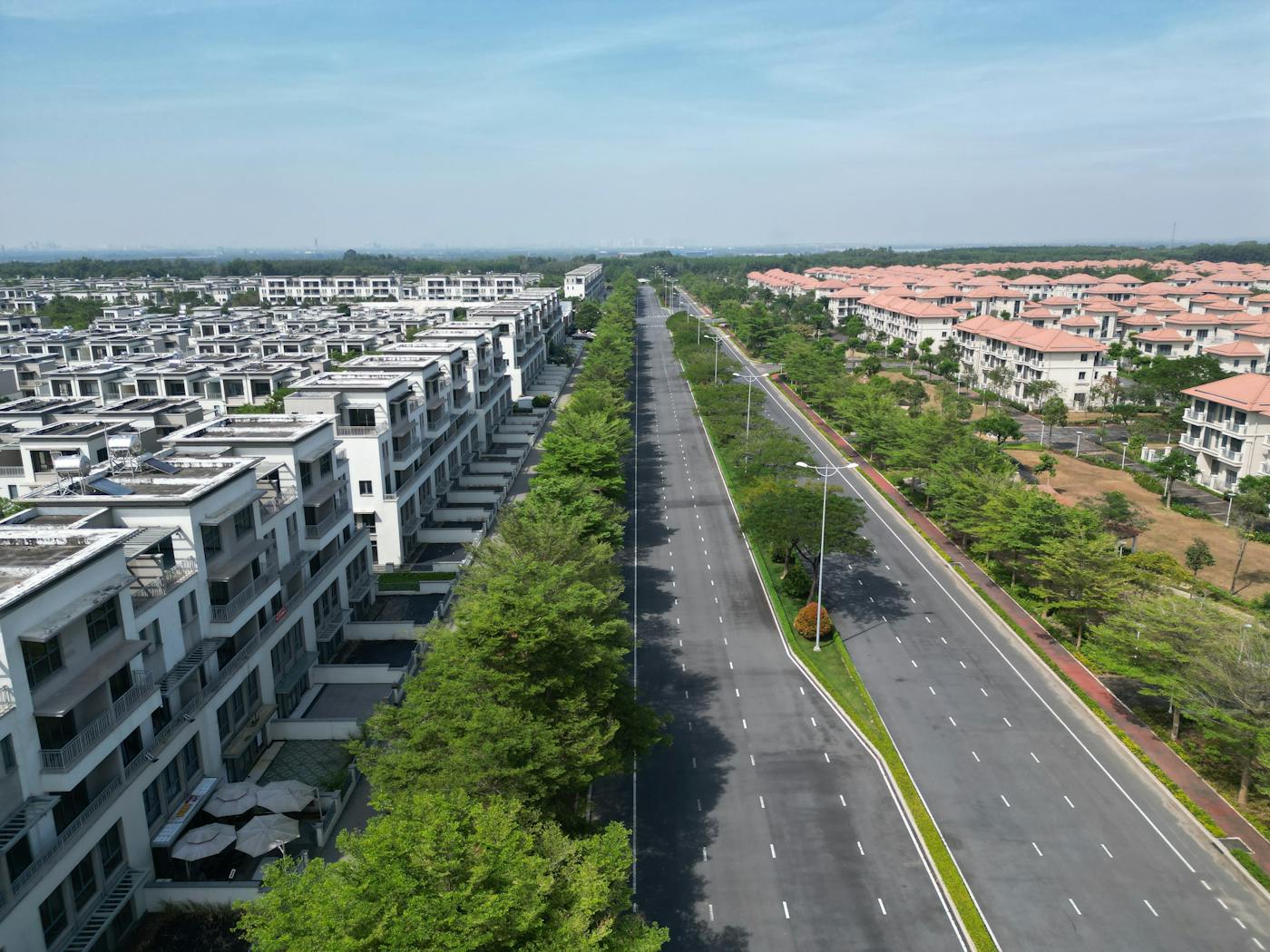
Photo via Pexels
Sydney’s stock of established residential lots skews narrow. Lots in the 10–14m frontage range — common in suburbs built out from the 1950s through the 1980s — are well suited to double storey development precisely because their ground floor footprint is constrained by width.
On a 12m-wide lot with standard side setbacks (typically 900mm each side), the buildable width on the ground floor is approximately 10.2m. At 14m depth from front setback to rear setback, that gives a maximum ground floor footprint of around 143m². For a 300m² home, a single storey on this lot leaves no usable outdoor space. A double storey delivers 150m² per level and preserves the rear yard.
The narrow lot also shapes design decisions. A 10m-wide internal floor plate limits where the stair can sit, constrains bedroom sizes, and makes the relationship between front and rear of the house more linear. Experienced builders and designers who have worked extensively on Sydney’s narrow lot stock understand these constraints from the beginning — they do not emerge during documentation. The brief for a narrow lot double storey should include a target internal width, stair location, and separation between ground and upper floor living areas from the first design meeting.
For guidance on how planning controls and lot configurations work across Sydney’s different LGAs, see our post on custom home builders on the North Shore, which covers the North Shore’s heritage overlays and their impact on double storey design.
The Realistic Timeline
| Phase | Single storey | Double storey |
|---|---|---|
| Design & documentation | 3–5 months | 4–6 months |
| Approval (CDC) | 20 business days | 20 business days |
| Approval (DA) | 3–12 months | 3–12 months |
| Construction | 10–14 months | 14–20 months |
| Total (CDC path) | 14–20 months | 19–27 months |
| Total (DA path) | 17–32 months | 22–38 months |
The additional construction time for double storey reflects the suspended floor system, upper level framing, and extended services. The design phase is also longer — structural engineering for double storey is more involved, and upper floor bathroom and wet area design requires careful integration with the structural floor system below.
The most common cause of timeline overrun on double storey custom builds is design change after structural documentation has been issued. Moving a wall, relocating the stair, or changing the upper floor bathroom position after the engineer has produced drawings triggers a cascade of revisions. Lock in the structural design before documentation proceeds — not after. For a full overview of the building stages from brief to handover, see our guide to choosing a custom home builder.
When Single Storey Is the Better Answer
This is the section that most double storey builder guides skip entirely.
When the household has mobility requirements. Stairs present a genuine barrier for elderly occupants, young children navigating the house independently at night, and anyone with mobility impairment. A home designed for ageing-in-place — or for a multigenerational household with elderly members — should default to single storey unless the lot genuinely cannot accommodate the required floor space on one level.
When the lot is large enough. On a 900m²+ block in a zone with a 0.5:1 FSR, a 450m² single storey is entirely feasible with adequate outdoor space remaining. There is no financial reason to go double storey on a large, flat block with a permissive planning envelope. The premium over single storey per square metre is paid for a reason; if the reason is absent, the premium is not justified.
When the height limit effectively prevents it. A 7.5m height limit in a heritage conservation area, combined with the actual height of two 2.7m ceiling levels plus floor structure and roof, often leaves less than 200mm of headroom before the limit is reached. A poorly briefed designer can produce a double storey design that is technically compliant but has compressed upper floor ceiling heights that feel uncomfortable. Single storey with higher ceilings is often a better outcome on height-constrained sites.
When the budget cannot support the structural premium. If the construction budget is under $900,000 total, a double storey at mid-range specification on a reasonable Sydney lot is extremely tight. The structural elements, staircase, and extended services are fixed costs regardless of overall home size. At lower budgets, these fixed costs represent a higher proportion of total spend, and the result is often a double storey with compromised finish specification. A well-specified single storey on the same budget delivers better value. For guidance on what different budget levels realistically deliver in Sydney, see our post on home builders under $300k.
FAQ
How much more expensive is a double storey home than a single storey in Sydney?
Approximately 10–18% more per square metre, because of the suspended floor system, staircase, extended services, and additional structural engineering. In Sydney in 2026, mid-range single storey custom builds run $2,800–$3,800 per m², while double storey mid-range runs $3,200–$4,500 per m². On a per-floor-space basis, a double storey is often cheaper overall than a large single storey footprint because it uses a smaller slab and less land coverage.
What height limit applies to double storey homes in Sydney?
The standard maximum building height in R2 zones across Greater Sydney is 8.5 metres to the highest point of the roof. This comfortably accommodates a standard double storey with 2.7m ceiling heights, a floor structure, and a conventional pitched roof. Some councils apply 7.5m or 8m in heritage-sensitive areas. Check your specific lot via the NSW Planning Portal before committing to a double storey design brief.
Can a double storey home qualify for CDC approval in Sydney?
Yes, provided the design meets all prescribed numerical standards under the Housing SEPP: building height, setbacks, site coverage, FSR, and landscaped area. CDC is assessed by a private certifier in approximately 20 business days with no council involvement. CDC is not available for heritage conservation area sites, or where the design seeks any variation from the prescribed standards. Most compliant double storey designs on standard Sydney lots qualify for CDC.
How long does a double storey home take to build in Sydney?
Construction typically takes 14–20 months from slab pour to practical completion, compared with 10–14 months for a comparable single storey. Total timeline from first meeting to handover — including design, documentation, and CDC approval — is typically 19–27 months for a double storey custom build in Sydney on the CDC path. DA approval adds the relevant council assessment period on top.
When does a double storey make more financial sense than a single storey?
When the lot is narrow (under 12m frontage), making it difficult to achieve adequate floor space on one level; when the FSR allows more floor area than a single storey footprint can deliver while retaining usable outdoor space; or when the brief requires more than 250m² of floor area on a standard suburban lot. On large, flat lots with permissive planning, single storey is often the better outcome — the structural premium of double storey is only justified when the lot genuinely constrains a single storey solution.
What are the structural differences I should understand before building double storey?
Three key differences: the upper floor requires a suspended concrete slab or engineered timber floor system, adding $25,000–$65,000 over a slab-on-ground; load-bearing walls must align between levels, which constrains open-plan ground floor design unless structural steel is used; and the staircase consumes 5–10m² of floor area per level depending on configuration. Structural engineering documentation for double storey is more extensive than single storey, typically adding $8,000–$15,000 to consultant costs.